
Are all cryptocurrencies based on blockchain
Adam Hayes, Ph.D., CFA, is a financial writer with 15+ years Wall Street experience as a derivatives trader. Besides his extensive derivative trading expertise, Adam is an expert in economics and behavioral finance https://ripworkoutsale.com. Adam received his master’s in economics from The New School for Social Research and his Ph.D. from the University of Wisconsin-Madison in sociology. He is a CFA charterholder as well as holding FINRA Series 7, 55 & 63 licenses. He currently researches and teaches economic sociology and the social studies of finance at the Hebrew University in Jerusalem.
You’re reading a free article with opinions that may differ from The Motley Fool’s Premium Investing Services. Become a Motley Fool member today to get instant access to our top analyst recommendations, in-depth research, investing resources, and more. Learn More
Using powerful computers, crypto miners are solving complex math problems that are required to validate transactions on the blockchain, said Chris Kline, COO and co-founder of BitcoinIRA. Blockchain networks essentially serve as a “public ledger” for all transactions, promoting transparency.
Are all cryptocurrencies based on blockchain
Solutions to this issue have been in development for years. There are currently blockchain projects that claim tens of thousands of TPS. Ethereum is rolling out a series of upgrades that include data sampling, binary large objects (BLOBs), and rollups. These improvements are expected to increase network participation, reduce congestion, decrease fees, and increase transaction speeds.
Each candidate could then be given a specific wallet address, and the voters would send their token or crypto to the address of whichever candidate they wish to vote for. The transparent and traceable nature of blockchain would eliminate the need for human vote counting and the ability of bad actors to tamper with physical ballots.
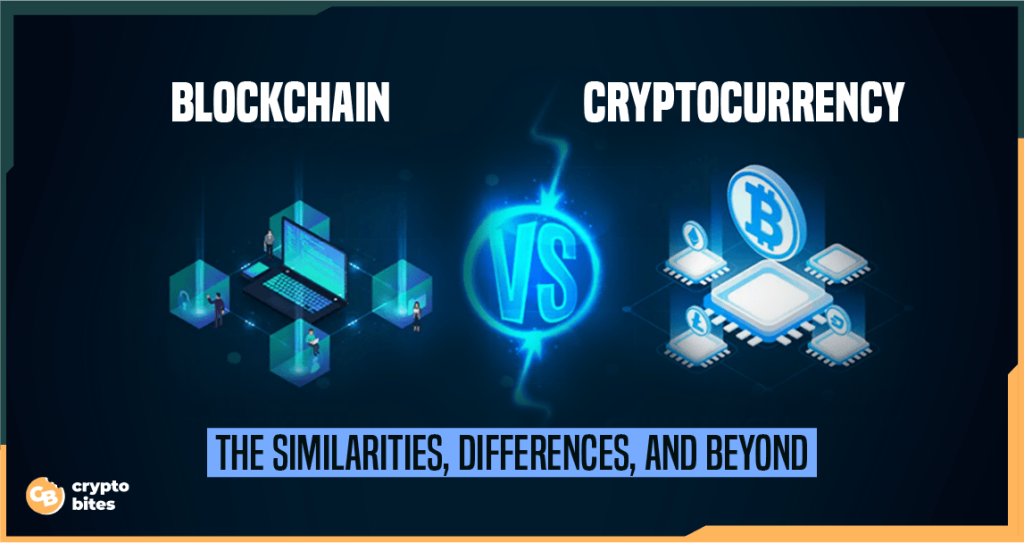
The reason for this has to do with what blockchain technology does for cryptocurrencies. Blockchain makes it easy for digital information, such as cryptocurrency and other digital assets, to be recorded securely and publicly. Blockchain technology doesn’t make transactions difficult or complex but instead makes it easier for people to trust the information on the network. It makes it possible to have a similar system to what we call the “checks and balances” in our traditional financial systems, where multiple diverse groups of people make decisions and then are verified as having done so.
Of course, the records stored in the Bitcoin blockchain (as well as most others) are encrypted. This means that only the person assigned an address can reveal their identity. As a result, blockchain users can remain anonymous while preserving transparency.
How are Bitcoins created? Certain solutions are computationally difficult and thus have a cost associated with them. The Bitcoin protocol rewards miners for their efforts with both new bitcoin and transaction fees paid by users sending transactions. This adds an incentive for people to provide security for the system through the mining process.
There is some kind of interface for it. You could have an app or use your computer to do it. But instead of having a middleman, there is a bunch of software code that guarantees your transactions as they happen.
Do all cryptocurrencies use blockchain
Using blockchain in this way would make votes nearly impossible to tamper with. The blockchain protocol would also maintain transparency in the electoral process, reducing the personnel needed to conduct an election and providing officials with nearly instant results. This would eliminate the need for recounts or any real concern that fraud might threaten the election.
Some see DAGs as an alternative that combats the shortcomings of blockchain technology, but it would be false to claim that one technology is better than the other. In the world of cryptocurrency, people often try to build hype around the technology they invested in. This leads to the creation of buzzwords like “blockchain killer,” meant to portray DAGs as technologically superior to blockchain.
A private blockchain, meanwhile, is controlled by an organization or group. Only it can decide who is invited to the system plus it has the authority to go back and alter the blockchain. This private blockchain process is more similar to an in-house data storage system except spread over multiple nodes to increase security.
How these new blocks are created is key to why blockchain is considered highly secure. A majority of nodes must verify and confirm the legitimacy of the new data before a new block can be added to the ledger. For a cryptocurrency, they might involve ensuring that new transactions in a block were not fraudulent, or that coins had not been spent more than once. This is different from a standalone database or spreadsheet, where one person can make changes without oversight.
Blockchain can also be used to record and transfer the ownership of different assets. This is currently very popular with digital assets like NFTs, a representation of ownership of digital art and videos.
